

Workplace 'Always On' Culture Is Driving a Surge in Employee Distracted Driving, DriveSafe Online Expert Warns

DriveSafe Online saves money, saves lives.
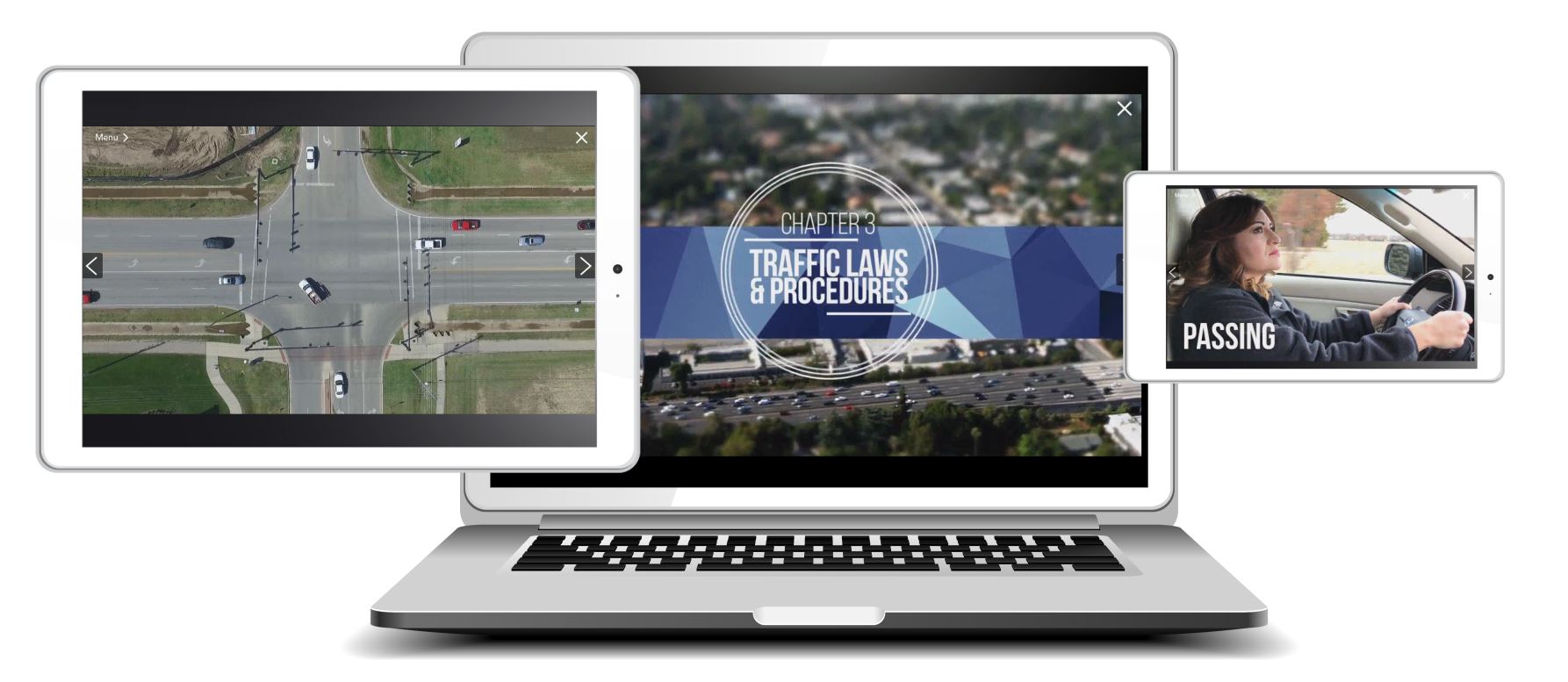
DriveSafe Online mobile friendly courses for fleet training anytime anywhere.
Distracted driving killed more than 3,200 people in 2023 and costs employers over $72 billion annually.
Courts are increasingly asking whether companies did enough to prevent unsafe driving. If an employee crashes while responding to work communications, that question matters.”
WICHITA, KS, UNITED STATES, December 22, 2025 /EINPresswire.com/ -- • Employer expectations are quietly increasing crash risk, costs, and liability.— Patrick Mileham
• More than 40% of employees admit they take work calls on the road
• Clear no-distraction policies, leadership support, technology tools, and defensive driving training help reduce risk.
As companies push for constant availability, more employees are answering calls, reading emails and responding to messages while driving. Safety experts at DriveSafe Online warn that this “always on” workplace culture is increasing distracted driving crashes and exposing businesses to financial and legal risk.
According to the National Highway Traffic Safety Administration, distracted driving killed more than 3,200 people in 2023, making it one of the leading causes of preventable roadway deaths.
“Distracted driving is no longer just a personal decision made behind the wheel,” said Patrick Mileham, editorial director at DriveSafe Online. “For many employees, it’s a direct response to workplace expectations that reward instant availability over safe driving.”
What Counts as Distracted Driving?
Distracted driving includes any activity that pulls attention away from driving, and safety researchers group distractions into three categories:
• Cognitive distractions that take a driver’s mind off the road
• Visual distractions that pull eyes away from traffic
• Manual distractions that remove hands from the wheel
Texting and emailing are considered the most dangerous because they involve all three categories. Reading or responding to a message takes a driver’s eyes off the road for about five seconds, the equivalent of driving the length of a football field blindfolded at highway speeds.
Learn why even listening to a cell phone while driving is dangerous.
Workplace Pressure Is a Key Risk Factor
While distracted driving is often blamed on individual behavior, studies show that employer expectations strongly influence on-road decisions.
A national survey by The Travelers Companies found that:
• One in three business leaders expect employees to answer work calls while driving
• More than 40% of employees admit they take work calls on the road
• Many fear negative consequences if they delay responding
“When policies say ‘don’t use your phone,’ but the culture says ‘answer immediately,’ employees get a mixed message,” Mileham said. “That gap is where risk lives.”
The Business Cost of Distracted Driving
Distracted driving crashes cost companies millions. The Network of Employers for Traffic Safety estimates that motor vehicle crashes cost employers more than $72 billion each year in medical expenses, lost productivity, and property damage.
Companies may also face:
• Higher insurance premium
• Workers’ compensation claims
• Vehicle repair and replacement costs
• Legal exposure if distracted driving occurs during work-related travel
“Courts are increasingly asking whether companies did enough to prevent unsafe driving,” Mileham said. “If an employee crashes while responding to work communications, that question matters.”
How Employers Can Reduce Distracted Driving Risk
Safety experts say organizations can significantly reduce distracted driving by aligning policy, culture, and training.
Recommended steps include:
• Clear no-distraction policies that prohibit calls, texts, and emails while driving
• Leadership reinforcement that removes pressure for instant replies
• Technology support, such as drive-mode apps and telematics systems
• Defensive driving training that teaches drivers how to recognize and manage distractions
“Training works best when it supports real-world expectations,” Mileham said. “Drivers need to hear, consistently, that safety comes before speed or availability.”
Rethinking the “Always Reachable” Mindset
Being responsive should never mean being reckless.
“Accessibility shouldn’t come at the cost of a life,” Mileham said. “Companies that want to protect employees and reduce liability must make safe driving a visible, supported priority.”
DriveSafe Online delivers online defensive driving training used by hundreds of thousands of drivers and organizations nationwide to improve safety outcomes, reduce collision risk, and support insurance and compliance goals. Details about individual and corporate training options are available at DriveSafeOnline.org.
Patrick Mileham
DriveSafeOnline.org
+1 316-265-2170
email us here
Visit us on social media:
LinkedIn
Facebook
YouTube
Legal Disclaimer:
EIN Presswire provides this news content "as is" without warranty of any kind. We do not accept any responsibility or liability for the accuracy, content, images, videos, licenses, completeness, legality, or reliability of the information contained in this article. If you have any complaints or copyright issues related to this article, kindly contact the author above.
